
1522. What happens when you call.
@womeninsafety_itFree, anonymous, open day and night. What to expect, even if you don't know what to say.
WIS — Women in Safety is the Girotondo Onlus project fighting violence against women. So you can recognise it, call it by its name and know who to ask for help.
 #maipiùinvisibili
The project
Violence almost never starts with a slap. It starts with control, with a remark meant to humiliate you, with a bank account that's no longer yours. That's why it's hard to recognise, even when you're living it.
WIS grew up around La Mongolfiera, the Girotondo Onlus home that welcomes women and children who have escaped violence. We speak to those who suffer it, to the people close to them and to men who want to be part of the change: without judging anyone, and without excusing any violence.
Knowing what violence is, in all its forms: physical, psychological, economic, sexual, digital.
Knowing who to turn to, and how to be there for someone who needs it.
Changing words, habits, relationships. All of us, together.
What we talk about
Everything WIS publishes belongs to one of these themes. Tap a theme to read its articles.
Common myths
We've all heard certain phrases a thousand times. They sound harmless, but they protect the abuser and leave the woman going through it alone.
“If it was really that bad, she would have left.”
A woman living with violence often stays out of fear.Fear of revenge, of loneliness, of not managing on her own. Don't ask why she hasn't left. Ask how you can help her.
“He's not like that. He's a good person.”
Violence doesn't always wear a monster's face.An abuser can be charming in public. Most violence happens behind closed doors: seeming kind doesn't mean doing no harm.
“It's not violence, it's just a complicated relationship.”
A difficult relationship asks for compromise. Violence creates fear.You don't have to be beaten to be suffering violence: control, insults and manipulation are violence too.
“Strong women don't put up with abuse.”
A woman living with violence is strong.Every day she survives something that would break anyone. Violence doesn't depend on the strength of the person who suffers it, but on the choice of the person who uses it.
“Women report abuse out of revenge.”
Reporting abuse is one of the hardest choices there is.It means exposing yourself, reliving everything, often not being believed. Women who do it, do it to save themselves.
“It's the alcohol's fault.”
Alcohol and drugs don't create violence.They can make behaviour that's already violent worse. The responsibility always lies with the person who commits it.
Swipe sideways and tap a card to turn it over
Recognising the signs
Sometimes he even smiles. But you feel that something isn't right. It could be violence, and it deserves to be called by its name.
Your answers are not saved or sent: they stay on this screen and disappear when you close the page.
You recognised yourself in {n}. It's not a whim and you're not exaggerating. Talking to someone with expertise is the first step: 1522 answers free of charge, anonymously, at any time of day or night.
The language of violence
These are phrases heard in many homes. They all have the same answer.
“Shut up. You'll do what I say.”
This is violence.
“It's all your fault, nobody else's.”
This is violence.
“Without me you're nothing.”
This is violence.
“Give me your password, you've got nothing to hide.”
This is violence.
“No one will believe you anyway.”
This is violence.
“Provoke me one more time and see what happens.”
This is violence.
Violence isn't just a punch. It's also:
It's violence, and it must be called by its name.
No woman deserves to be treated like this.
For the people around her
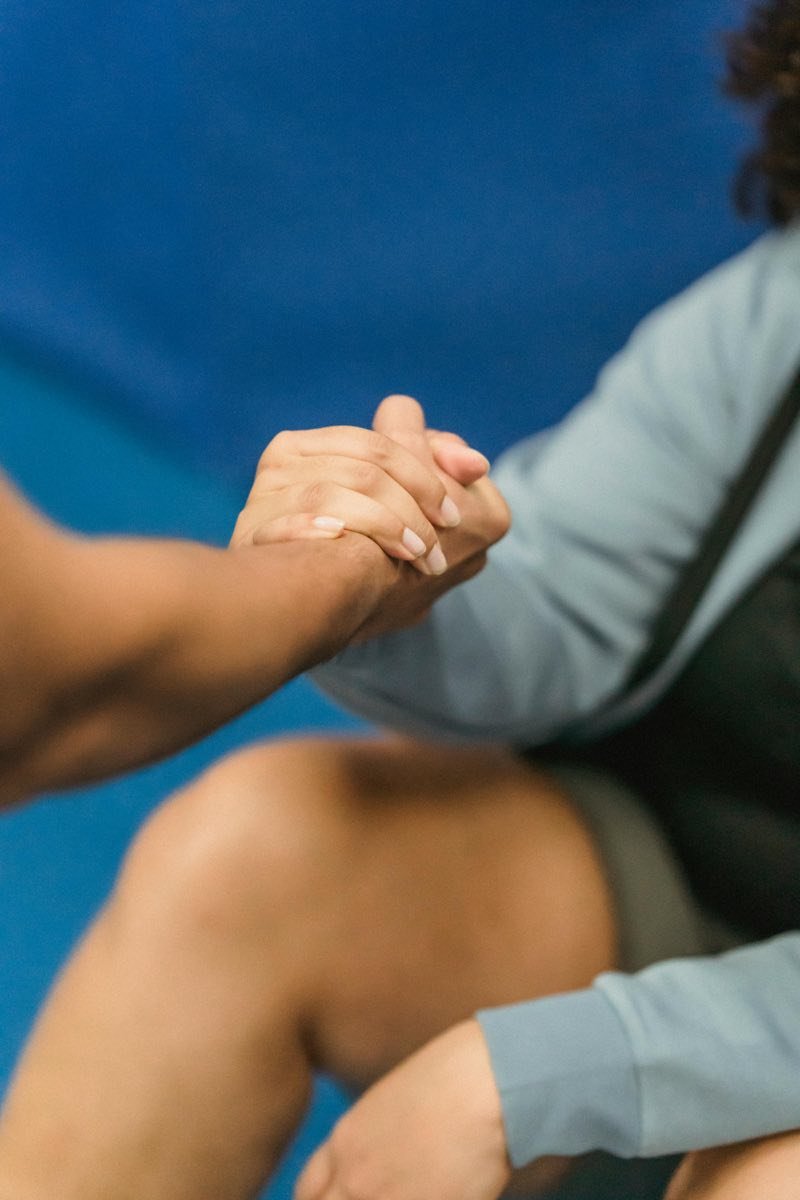
You don't have to be a psychologist or a hero to help. Sometimes just being there, in the right way, is enough.
If she tells you something is wrong, believe it. Don't ask her for proof and don't play it down.
Respect her pace. Don't ask her “why don't you leave?”: it takes courage just to open up.
1522 and anti-violence centres also help family and friends work out what to do.
From the blog
Free, anonymous, open day and night. What to expect, even if you don't know what to say.

Warning signs that should never be ignored, even when they're dressed up as caring.
Economic violence leaves no bruises, but it takes away freedom. Even from women who work.
With the support of
Charity Fund of Intesa Sanpaolo
WIS is supported by the Charity Fund of Intesa Sanpaolo, which has made helping women and children who are victims of violence one of its priority areas.
Follow us
@womeninsafety_it